








The Problem
Many PPC accounts look active but waste budget through unfocused targeting, weak query control, and landing pages that do not support conversions. Without a disciplined structure and consistent optimization, campaigns plateau and performance becomes unreliable.
The Impact
When PPC is not managed strategically, costs rise, lead quality drops, and growth becomes harder to maintain. You end up paying for traffic you cannot convert, while high intent searches are won by competitors.
The Solutions
We manage PPC like a performance engine. We build lean, intent led campaigns, tighten search terms and negatives, improve ad relevance, and optimize around conversion data so every change has a clear purpose. The outcome is stronger lead quality, smarter spend, and more stable results.

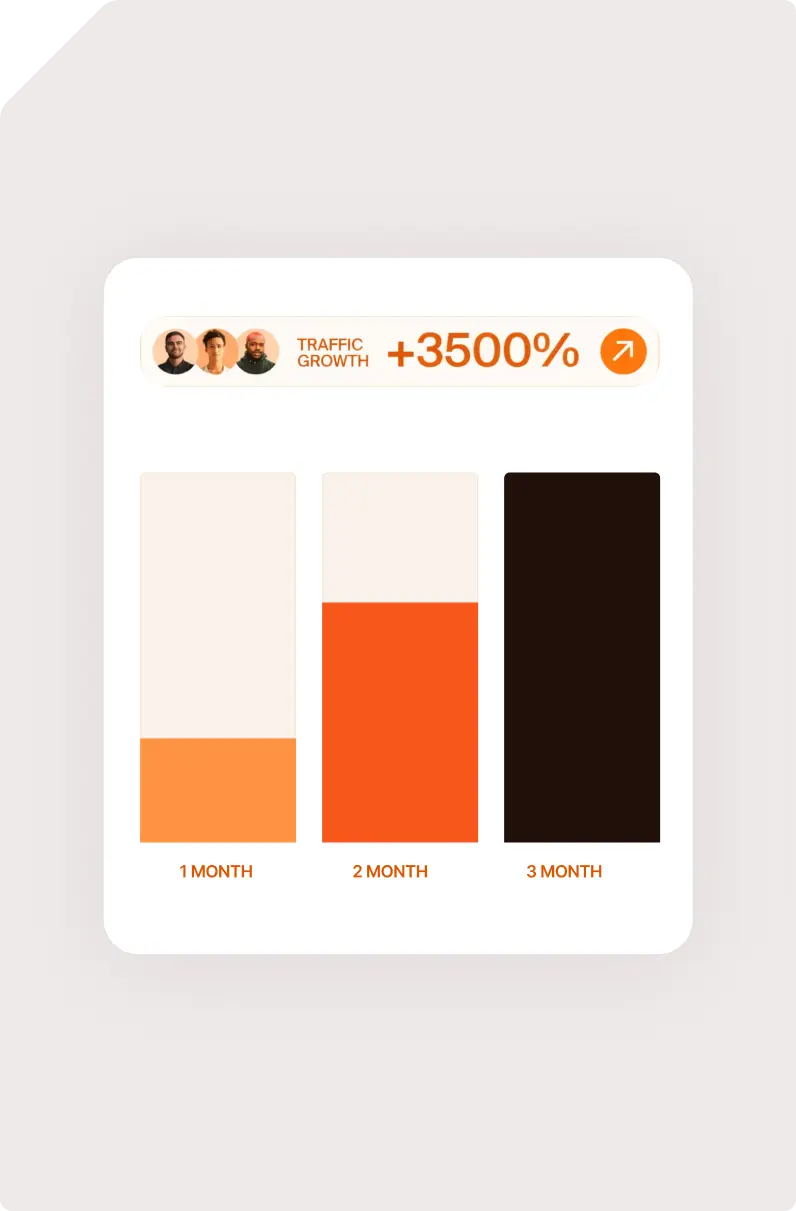
Clients have experienced these results after 6 months
Google Ads Search Campaign Management
We build and optimize search campaigns that capture high intent demand.
Campaign Structure and Account Rebuilds
We restructure accounts to improve quality, control, and performance.
Ad Copy and Creative Testing
We write and test ads that earn clicks and drive action.
Landing Page and Conversion Optimization
We improve the path from click to lead so spend converts.
Tracking, Analytics, and Attribution
We set up measurement so decisions are based on real outcomes.
Reporting and Performance Optimization
We optimize continuously and report what matters clearly.
Our Methodology
Discovery
We learn your goals, market, and current site, then audit and set baselines.
Strategy & Roadmap
We turn findings into a 90-day plan with clear priorities, owners, and timelines.
Implementation & Execution
We ship fixes and improvements on a steady cadence with QA on each release.
Reporting & Iteration
We review results monthly, adjust the plan, and stack gains that compound.
PPC management is the ongoing work of running paid search campaigns so the budget produces qualified leads rather than clicks.
It covers account structure, brand and non-brand segmentation, keyword and match type strategy, negative keyword management, ad copy and testing, bidding and budget pacing, landing page alignment and conversion tracking. The recurring part matters more than the setup. An account built well and then left alone for six months will drift, because search terms change, competitors adjust their bids, and Google's automation will spend into whatever it is permitted to spend into.
The most common problem we take over from Toronto accounts is one that looks busy and converts poorly. Broad match with no negatives, one ad group covering fifteen unrelated services, and conversion tracking counting form views rather than form submissions.
We run PPC alongside SEO rather than as a separate service, because the two share the same keyword research and the same landing pages, and because paid data tells you which terms convert months before organic can.
Visibility is immediate. Leads typically begin within the first week, and an account usually needs four to eight weeks of data before performance settles into something predictable.
That gap between traffic and efficiency is the part worth planning for. Early spend is partly research. You are finding out which search terms actually trigger, which of them convert, and what a qualified lead genuinely costs, and some of that budget goes toward learning what not to bid on.
Two things speed it up. Conversion tracking configured properly in GA4 before launch, because an account optimizing toward the wrong signal will confidently get worse. And a tight initial keyword set, since narrow and deep produces usable data faster than broad and shallow.
Two things slow it down. Long sales cycles, where the true quality of a lead is not visible for weeks. And modest budgets in expensive categories, where it simply takes longer to accumulate enough conversions for anything to be statistically meaningful. Compare that with organic search, where meaningful movement takes months rather than weeks. That contrast is the main argument for running both.
Google Ads is where most programs start, because paid search reaches people actively looking rather than people being interrupted. We expand from there when the audience and the numbers justify it.
The case for starting on search is straightforward. Intent is already established, so conversion rates are higher and the feedback loop is faster. Social and display can work well, but they generate demand rather than capture it, which means a longer payback period and a messier attribution picture.
When we do expand, the usual next steps are remarketing to people who already visited, Performance Max where a product catalogue supports it and return on ad spend can be read honestly, and paid social in categories where the buying decision is visual or discovery-driven.
What we avoid is spreading a modest budget across four platforms so that none of them accumulates enough data to optimize properly. Below a certain monthly spend, one channel run well beats four run thinly, every time.
Weekly search term reviews and aggressive negative keyword management, backed by an account structure that limits loose matching in the first place.
The search terms report is where most waste is found, and it is the report most accounts do not check often enough. Broad match will pair your ads with queries you would never bid on deliberately, and every week it goes unreviewed is budget spent on traffic that was never going to convert. On accounts we take over, it is common to find a substantial share of spend going to search terms with no commercial relevance at all.
Structure prevents the rest. Tight ad groups built around a single intent mean the ad and the landing page can actually match the query, which lifts Quality Score and lowers what you pay for the same position.
We also watch conversion quality rather than conversion count. An account can halve its cost per lead by generating leads that never close, which looks like an improvement inside the platform and a decline inside the business.
Management fees depend on scope, account complexity and ad spend, and they are quoted separately from the media budget so you always know what goes to Google and what goes to us.
What drives the number is the number of campaigns and locations, how much the account needs rebuilding rather than maintaining, whether landing page work is included, and how much testing you want running at any time. A single-service local account costs considerably less to manage than a multi-location account with a product feed.
One thing to check when comparing quotes. Percentage-of-spend pricing creates an incentive to recommend higher budgets, which is not always aligned with your interests. Flat fees tied to defined deliverables remove that tension, which is why we prefer to structure it that way.
Also worth asking who owns the account. If an agency runs your campaigns inside its own manager account rather than yours, leaving means losing the entire history, and that accumulated history is a large part of what makes an account efficient.